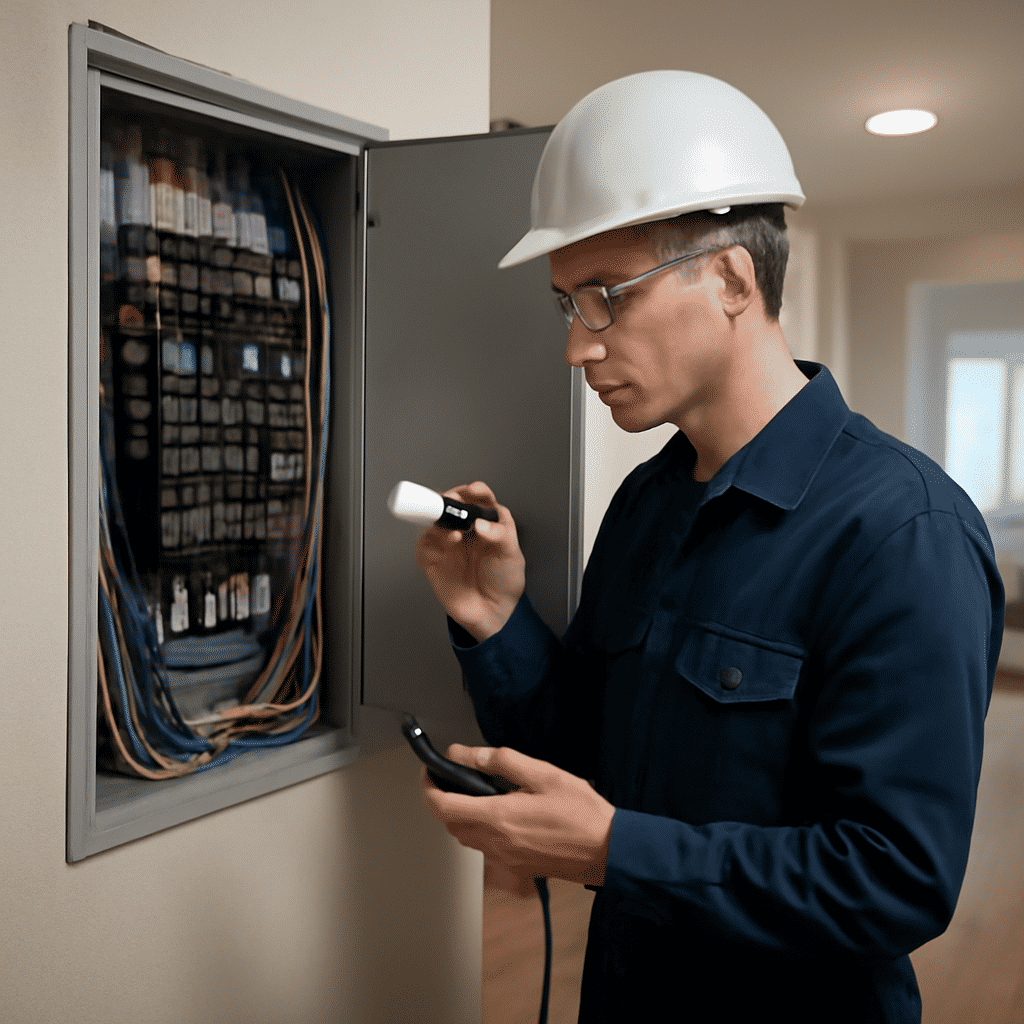
Electrical safety is a vital consideration for every homeowner, especially in bustling cities like New York, where the demand on electrical systems is intense. As the experts at Grid Guard H.D.I.S. emphasize, understanding and implementing essential electrical safety measures can prevent hazards such as fires, shocks, and system failures, ensuring your home remains a safe environment for you and your family.
1. Routine Inspection and Maintenance: Regular inspection of your home’s electrical system is crucial. Set a routine schedule to examine circuits, outlets, and wiring for any signs of wear or damage. If you notice frayed wires, burnt outlets, or sparking circuits, contact an electrician immediately. Grid Guard H.D.I.S. advises an annual professional inspection to identify and resolve potential issues before they become severe.
2. Keep Electrical Systems Dry: Water and electricity are a dangerous combination. Ensure that your home is equipped with Ground Fault Circuit Interrupters (GFCIs) in areas prone to moisture, such as kitchens, bathrooms, and basements. GFCIs can significantly reduce the risk of electrical shocks by shutting down the circuit when a fault is detected. Always keep appliances dry, and never handle them with wet hands.
3. Use Proper Wattage: Overloading outlets is a common problem that can lead to electrical fires. Always use light bulbs and appliances that match the recommended wattage for their fixtures. A sticker or label indicating the maximum wattage can usually be found on the socket or the appliance itself. Grid Guard H.D.I.S. stresses the importance of this practice, as exceeding the recommended wattage can cause overheating and significant damage over time.
4. Avoid Extension Cord Overload: While extension cords can be handy, they are not designed for permanent use. They should not substitute for adequate wall outlets. Using multiple high-wattage appliances on a single extension cord can lead to overheating. Instead, consider installing additional outlets through a licensed electrician to meet your electrical needs safely and effectively.
5. Be Aware of Signs of Electrical Issues: Flickering lights, warm or discolored outlets, a burning smell, or frequent tripping of circuit breakers are all red flags that require your immediate attention. These signs can indicate underlying problems in your electrical system. In such cases, Grid Guard H.D.I.S. recommends turning off the power at the breaker and contacting a professional for a thorough evaluation and necessary repairs.
6. Child Safety Measures: For homeowners with young children, childproofing electrical outlets is essential. Use plastic outlet covers or tamper-resistant receptacles to prevent curious little fingers from inserting objects into the outlets. Teaching children about the dangers of electricity can also foster a safe home environment.
7. Invest in Surge Protection: Power surges, which can be caused by lightning strikes or electrical faults, pose a risk to your home’s appliances and electronics. Installing whole-house surge protectors or using individual surge protection devices for your most valuable electronics can safeguard them from potential damage.
8. Practice Safe Appliance Usage: Ensure that appliances are used according to the manufacturer’s instructions. Avoid running cords under carpets or furniture, which can lead to overheating and fire hazards. Unplug small appliances like toasters and space heaters when not in use to reduce the risk of electrical issues.
By adhering to these electrical safety tips, New York homeowners can significantly reduce the risk of electrical hazards in their homes. Remember, partnering with a reputable service provider like Grid Guard H.D.I.S. ensures that your home’s electrical systems are maintained with the highest standards of safety and efficiency. Prioritizing electrical safety not only protects your property but also provides peace of mind, knowing your home is a secure haven for your family.